Inventory Management System: The Foundation of Efficient Business Operations
Inventory is one of the most valuable assets of any business. Whether you’re a manufacturer, wholesaler, distributor, retailer, or e-commerce business, maintaining the right stock at the right time is essential for profitability and customer satisfaction. However, managing inventory manually through spreadsheets or paper records often leads to stock discrepancies, overstocking, stockouts, and financial losses.
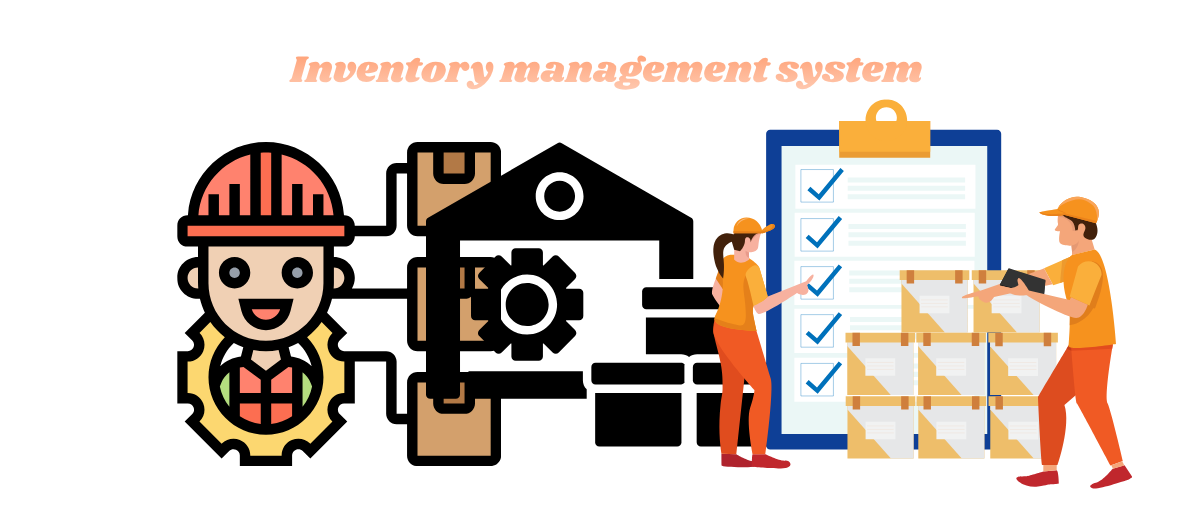
An Inventory Management System (IMS) helps businesses gain complete control over their inventory by automating stock management, tracking product movement, and providing real-time visibility across the supply chain.
What Is an Inventory Management System?
An Inventory Management System is a software solution that enables businesses to efficiently manage the purchasing, storage, movement, and sale of products. It centralises inventory data, ensuring that every stock transaction is accurately recorded and easily accessible.
From receiving goods from suppliers to delivering products to customers, an IMS tracks every stage of the inventory lifecycle.
Why Businesses Need an Inventory Management System
As businesses grow, inventory becomes more difficult to manage. Manual tracking often results in:
- Stock shortages
- Overstocking
- Inventory mismatches
- Slow stock audits
- Lost or misplaced products
- Inaccurate purchase planning
- Delayed order fulfilment
- Poor visibility across warehouses
- Increased operational costs
An Inventory Management System eliminates these challenges by providing accurate, real-time inventory information.
Key Features of an Inventory Management System
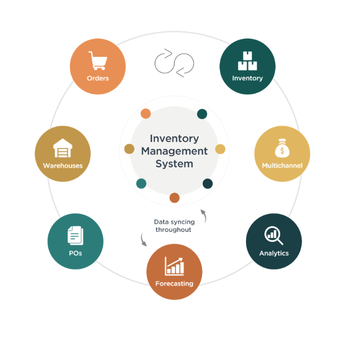
A modern Inventory Management System includes a comprehensive set of features designed to simplify inventory operations:
- Product & Item Master Management
- Category & Brand Management
- Barcode & QR Code Integration
- Purchase Order Management
- Goods Receiving & Stock Entry
- Warehouse & Multi-Location Management
- Stock Transfer Between Warehouses
- Batch & Serial Number Tracking
- Inventory Adjustment
- Reorder Level Alerts
- Sales & Dispatch Management
- Supplier Management
- Customer Order Tracking
- Stock Valuation
- Expiry Date Management
- Inventory Reports & Dashboards
- Role-Based User Access
These features work together to ensure complete inventory accuracy and operational efficiency.
The Future of Inventory Management
Modern inventory management is evolving with technologies such as barcode scanning, QR codes, RFID, cloud computing, mobile applications, IoT devices, and Artificial Intelligence (AI). These innovations provide businesses with greater automation, predictive inventory planning, and real-time operational insights.
An advanced Inventory Management System enables businesses to stay competitive by improving efficiency, reducing costs, and delivering exceptional customer service.
Conclusion
An Inventory Management System is more than a stock-tracking tool—it’s a strategic business solution that improves inventory accuracy, streamlines warehouse operations, and supports smarter business decisions. By digitising inventory processes, organisations can reduce costs, increase productivity, and build a more responsive and resilient supply chain.
Whether you’re managing a single warehouse or multiple branches, an Inventory Management System provides the visibility and control needed to drive sustainable business growth.